

How Bread Was Made: History, Ovens and Family Traditions
Discover the history of bread: communal ovens, stamps and the role of families in traditional production.
In this article
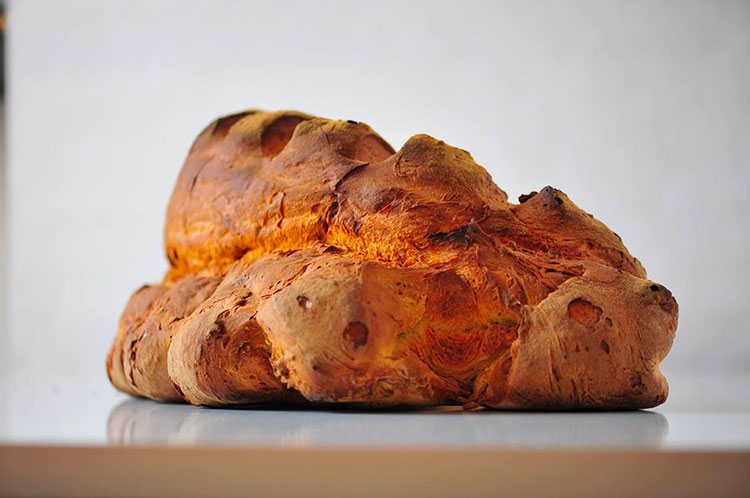
Bread represents a fundamental food in human history and particularly in Italy, where its production is rich in centuries-old traditions. In this article we will discover how bread was made, explore the use of stamps, the system of communal ovens and the role of families in managing kilos of bread. A journey through the complete history of bread, which tells the daily life of communities and the customs linked to this sacred food.
The Complete History of Bread: From Origins to Communal Ovens
Bread has accompanied mankind since ancient times, evolving together with technologies and cultures. In many Italian areas, until a few decades ago, bread production was still linked to artisanal and traditional methods, deeply rooted in rural life.
The Importance of Communal Ovens
In small villages, not all families had a domestic oven: the use of communal ovens was therefore widespread. These were collective spaces where each family brought their own bread dough for baking. Communal ovens were managed by an expert baker or the oven keeper, and represented a true meeting point for the community.
How Bread Was Made: The Traditional Process
The procedure for making bread began with the preparation of the dough, using flour, water, salt and natural yeast or sourdough starter. Bread was often made in larger quantities, to last several days.
Fundamental steps for preparation:
- Kneading: the flour was mixed with water and yeast, worked by hand until a homogeneous mixture was obtained.
- Fermentation: thanks to sourdough or natural yeast, the dough was left to rest for hours or even overnight.
- Shaping: the bread was modelled by hand into different shapes, often large loaves or long loaves.
- Baking in wood-fired ovens: the intense and uniform heat of the wood-fired oven gave the bread a crispy crust and a soft interior.
Stamps on Bread: Function and Tradition
A curious and little-known element of the bread-making tradition was the use of stamps on bread. These symbols were impressed on the dough before baking to distinguish families or to seal the bread produced in communal ovens. The stamps thus had a dual function:
- Identify the ownership of the bread
- Guarantee the quality and origin
Often the stamps had shapes linked to the family or the village, becoming a true mark of identity.
Families and Kilos of Bread: Organisation and Consumption
The management of bread was carefully regulated in families, especially when bread was produced in large quantities, measured in kilos. Each family had its own quantity intended to last several days or weeks.
How kilos of bread were managed:
- Each family brought their own portion of dough to the communal oven.
- After baking, the bread was distributed according to the corresponding weight.
- Storage was essential; bread was kept in wooden boxes or breathable containers to prevent mould.
This system required cooperation and trust between community members, strengthening social bonds.
Conclusion
The history of bread, communal ovens and stamps tells much more than a simple food preparation: it is a testimony to the traditions, collective work and culture of Italian families. Understanding how bread was made allows us to appreciate even more this simple but meaningful food.
Today, although production methods have changed, many of these values and practices continue to live on, among artisanal shops and festivals dedicated to traditional bread.
Keep reading
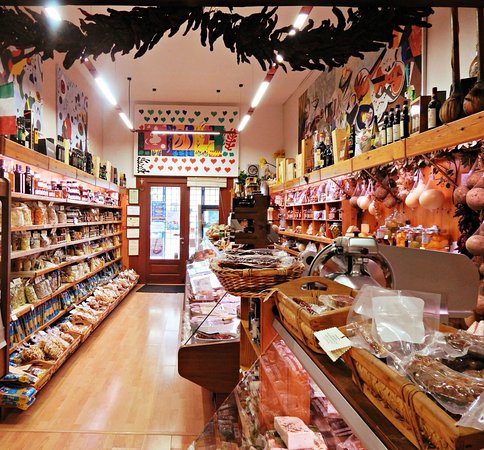
Gourmet Shopping in Matera with Matera City Pass
Discover the gastronomic excellence of Matera and save with Matera City Pass at Il Buongustaio.
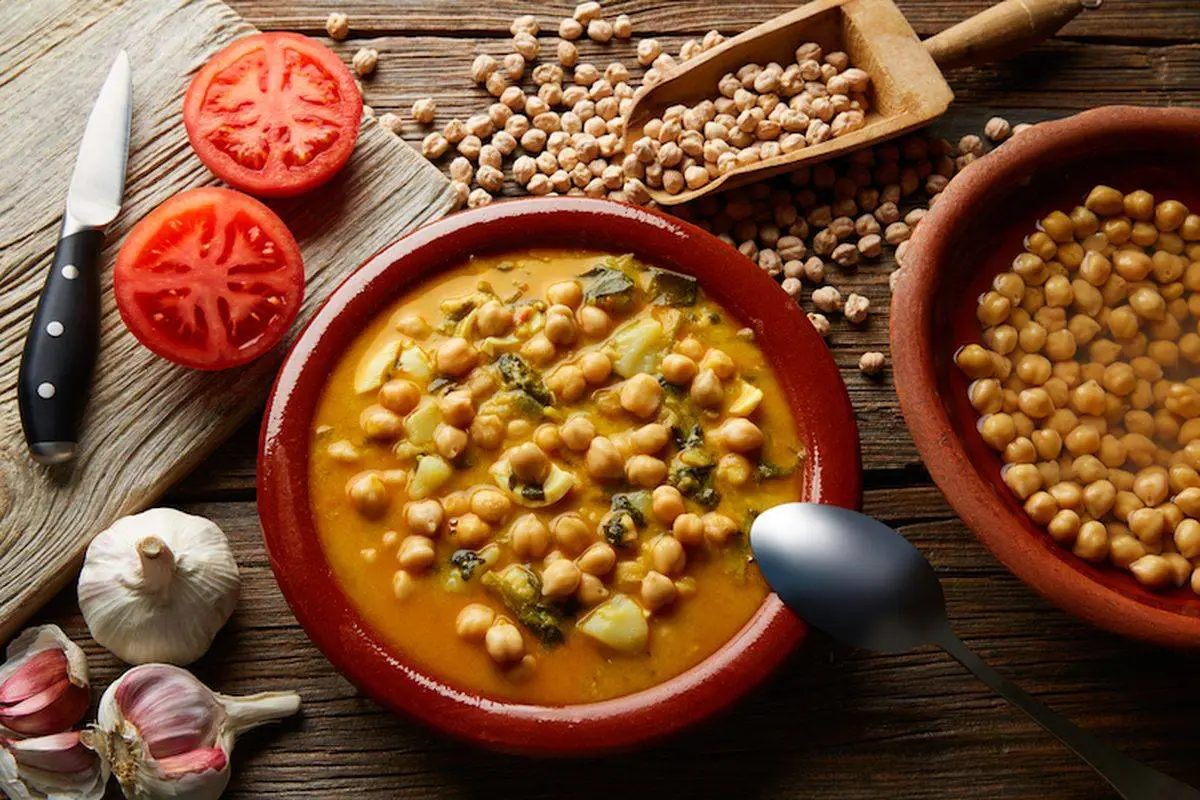
The 3 Must-Try Typical Dishes of Matera
Discover the 3 must-try typical dishes of Matera: Pane di Matera, Orecchiette with turnip greens and Crapiata, with exclusive tips.